Xtracars®® Blog
Car Tips and Tricks
Aquaplaning: what it is and how to stay safe
Autumn means shorter days, colder weather and more rain, and that also means a higher risk of aquaplaning. If you're driving in Portugal for the first time this season, here's what it is, why it happens, and what to do if you experience it.
What is aquaplaning?
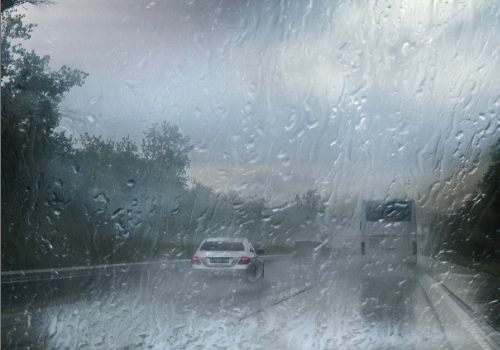
Aquaplaning happens when a layer of water builds up between the tyre and the road, so the tyre loses direct contact with the surface. Without that contact, grip drops sharply, and the car stops responding the way you'd expect. Braking, accelerating, and steering all become less predictable.
This is particularly common at the start of autumn. After a dry summer, dust, oil and other residue can build up on the road surface, and the first heavy rains may not wash it all away straight away.
If you've recently arrived in Portugal, this is worth keeping in mind: after long dry spells, roads can turn unexpectedly slippery the moment it starts raining.
As the wetter months continue into winter, these conditions can become more frequent, so it's even more important to adjust your driving to the road conditions.
A large enough sheet of water can, in rare cases, cause all four tyres to lose grip at the same time. Most of the time, though, it's a partial loss of contact - still sudden, and still unsettling when it happens.
The most common causes
Aquaplaning usually results from a combination of factors:
- Speed: the faster you drive, the less time your tyres have to channel water away from under them.
- Water build-up on the road: puddles or standing water, especially where drainage is poor, are the most common triggers.
- Worn tyres: tyre grooves exist to drain water; worn-down tyres lose much of that ability.
- Incorrect tyre pressure: both over- and under-inflated tyres affect how well they grip the road.
- Poor visibility: heavy rain reduces how far ahead you can see, making it harder to spot standing water in time to react.

How to avoid aquaplaning?
None of these fully eliminate the risk, but they help significantly:
- Slow down on wet roads;
- Leave more distance from the car in front (braking distances increase on wet surfaces);
- Check your tyres regularly (both tread depth and pressure directly affect how well they hold the road).
What to do if it happens
Feeling your car lose grip on a wet road is unsettling, and it usually happens without warning. The most important thing is to stay calm and avoid sudden reactions.
A few things can help you handle it:
- Avoid braking hard: the instinct is often to brake to regain control, but hard braking can lock the wheels and make things worse;
- Hold the wheel firmly: sudden steering movements make the car harder to control, not easier;
- Ease off the accelerator gradually: a slow, steady deceleration helps the car settle.
The steadier and more predictable you keep things, the faster the car regains control once it's back in contact with the road.
A newer, well-maintained car makes a real difference
The condition of your car, particularly the tyres and general maintenance, has a direct impact on how well it handles aquaplaning. A newer car with good tyres and up-to-date servicing is simply less likely to run into trouble in wet conditions, because it already covers the basics: proper tread depth, correct tyre pressure, and brakes in good working order.
With Xtracars, you can drive a car that's ready for the season
With autumn arriving, it might be worth checking the condition of your current car, or switching to a subscription-based rental. With Xtracars, you drive a car with maintenance and tyres already checked for you, without having to manage any of it yourself.
What is a car subscription, exactly?
A car subscription works a lot like a streaming service: you subscribe to a car for as long as you need it - from 1 to 12 months - with everything bundled into one fixed monthly fee. That includes maintenance, roadside assistance, third-party and own-damage insurance, a replacement vehicle if needed, and servicing. No hidden costs, no surprises.
It's a practical option if you're not sure yet how long you'll need a car, or if you'd rather not commit to anything long-term, which is exactly the situation many newcomers to Portugal find themselves in. If your plans change and you need to return the car earlier than expected, that's not a problem either.
Getting started takes three steps:
- Choose your car
- Book it 100% online
- Pick it up at one of more than 35 stations across mainland Portugal and the islands
If you're looking for a car that's ready for whatever the season brings, especially the wetter months, discover the Xtracars subscription and drive with a bit more peace of mind.