

Xtracars®® Blog
Trips and Adventures
Gap year in Portugal: what it is, how to plan it and why it can be the best investment in your future.
For a long time, the idea of following a "linear” path felt unavoidable: school, university, work. Today, that path is no longer seen as the only option. More and more young people are choosing to take a conscious pause between major life stages.
That is where the concept of a gap year or gap semester comes in. Choosing to do a gap year in Portugal means taking time between studies or professional commitments to focus on personal growth, skills development and meaningful experiences, all while living in one of Europe’s most welcoming and accessible countries.
That is where the concept of a gap year or gap semester comes in. Choosing to do a gap year in Portugal means taking time between studies or professional commitments to focus on personal growth, skills development and meaningful experiences, all while living in one of Europe’s most welcoming and accessible countries.
Far from being time "on hold”, this kind of experience is, for many, a genuine investment in the future.
What exactly is a gap year or a gap semester?
A gap year, or a gap semester for those looking for a shorter stay, is a planned break that allows you to gain experience outside traditional academic paths or conventional career routines. It can last a few months or up to a full year, and there is no single formula.
Think of it as a pause in motion. You are not disconnecting from the world, you are giving yourself time to experience it properly. There is no fixed script and no mandatory theme. Every gap year is different.
Contrary to common belief, a gap year does not have to mean travelling endlessly between countries. Many people choose to base themselves in Portugal, combining travel with learning, work and cultural immersion.
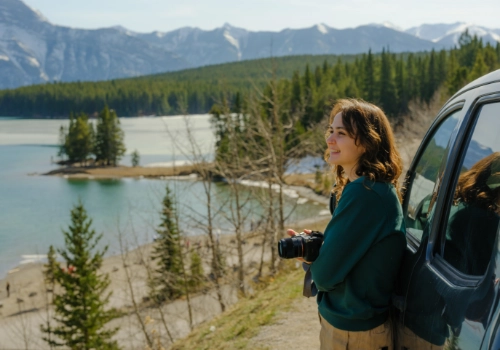

A gap year or gap semester in Portugal can include:
- Travelling across the country.
- Seasonal work.
- Internships or international traineeships.
- Social or environmental volunteering.
- Language courses.
- Cultural experiences.
- Personal projects.
- Road trips with friends.
- Slow travel.
What matters most is intention. A well planned gap year helps clarify goals, build independence, develop practical skills and return to studies or work with a more mature perspective and stronger international profile.
Why are more young people choosing Portugal for a gap year or gap semester?
The pressure to decide "what to do with your life” at an early stage leads many young people to look for time to reflect. A gap year or gap semester offers exactly that: the chance to pause, observe and experiment before making long-term decisions.
Portugal stands out as a destination because it combines:
- Mild climate and outdoor lifestyle.
- Affordable cost of living compared to other European countries.
- Safety and political stability.
- Rich culture and gastronomy.
- Beaches, nature and historic cities.
- Easy integration for international visitors.
For international students, young expats, long stay travellers and digital nomads, Portugal offers an ideal balance between quality of life, accessibility and cultural richness. Opportunities include volunteering projects, internships, surf camps, creative projects, language courses and remote work.
Many people also include wellness retreats or embrace slow travel to connect more deeply with local life. There are also structured programmes such as student exchanges, international traineeships and seasonal work, particularly in tourism and hospitality.
Remember, the plan is your starting point, not a fixed route. Many of the best moments of a gap year happen unexpectedly.
Practical logistics for a gap year or gap semester in Portugal.
Understanding the practical side of daily life is key when planning a longer stay. One of Portugal’s biggest advantages is how easy it is to settle in, even for first-time international visitors.
Best time of year to do a gap year in Portugal.
Portugal’s mild climate makes it suitable year round.
- Spring and autumn are ideal for travelling, road trips and outdoor activities.
- Summer is perfect for coastal regions, surf camps and seasonal work, especially in the Algarve.
- Winter is quieter and more affordable in cities like Porto or Braga, while Madeira and the Azores remain pleasant throughout the year.
Best regions to live and explore during a gap year in Portugal.
Portugal offers different lifestyles depending on the region:
- Lisbon: for culture, international community and remote work opportunities.
- Porto: for creativity, architecture and student life.
- Braga: for affordability and strong academic presence.
- Faro and the Algarve: for beaches, surf culture and seasonal work.
- Madeira: for nature, digital nomad scene and outdoor lifestyle.
- Azores: for slow living, sustainability and unique landscapes.
From working along the coast during summer to volunteering in rural villages, road tripping through Serra da Estrela, learning Alentejo cuisine or cycling through the Douro, Portugal offers endless ways to shape a unique experience.
Many people choose to move between regions during their gap year, combining city life with coastal or rural experiences.

Accommodation, cost of living and safety.
Accommodation options include shared flats, student residences, coliving spaces and short term rentals. Costs vary by region, with Lisbon and Porto being more expensive than smaller cities or islands.
Overall, Portugal remains more affordable than many Western European countries, particularly for food and daily expenses. It is also consistently ranked as one of the safest countries in Europe, making it especially attractive for international students and young travellers.
Access to essential services such as healthcare, banking, mobile networks and coworking spaces is widely available, particularly in urban areas and popular regions.
Exploring Portugal through road trips.
Portugal is an ideal country for road trips. It is also a great opportunity to tick off destinations from your bucket list. Distances are short, roads are well maintained and landscapes change quickly, from beaches and vineyards to mountains and volcanic islands.
Travelling by car allows you to reach places not easily accessible by public transport, explore smaller towns and adjust plans along the way. This freedom fits perfectly with the flexible nature of a gap year or gap semester.
Mobility during a gap year or gap semester in Portugal.
Mobility plays a key role in any gap year or gap semester. You may want to move between cities, work on projects outside urban centres or explore areas with limited public transport.
Buying a car or committing to ownership rarely makes sense for temporary stays. This is why many international visitors choose flexible solutions such as monthly car subscription.
With Xtracars, you can access a car only for the time you need, without long-term contracts, upfront costs or worries about maintenance, insurance or roadside assistance.
This flexibility is especially useful for those who move between cities or want to explore Portugal through road trips, discovering beaches, countryside and historic towns at their own pace.
Options like young driver coverage and TOP travel assistance also provide extra peace of mind, particularly when driving in a new country.
A practical solution for a gap year in Portugal.
A gap year is not time lost. It is time invested. It is about gaining independence, building confidence and collecting experiences that shape who you become.
When life is in experimental mode, unnecessary complications are best left behind. With Xtracars, flexible car subscription, you get simple mobility, predictable costs and no long-term commitments, so you spend less time dealing with logistics and more time living the experience.
Whether you are planning a gap year in Portugal or a shorter gap semester, having the freedom to move easily and independently makes all the difference. In a country made for road trips, flexibility is part of the experience. Because on a journey like this, the only real decision should be where to go next.