Xtracars®® Blog
Car Tips and Tricks
Traffic fines in Portugal: what foreign drivers need to know
Driving in Portugal can feel very different for visitors or residents coming from abroad, especially when it comes to road rules, speed limits and traffic fines.
Road enforcement in Portugal is frequent, especially during the summer months, when police operations and roadside inspections tend to increase across the country.
Road enforcement in Portugal is frequent, especially during the summer months, when police operations and roadside inspections tend to increase across the country.
Many foreign drivers assume that minor offences will go unnoticed or that fines cannot be followed up once they return home. However, EU cooperation mechanisms can allow Portuguese authorities to identify vehicle owners and send fines abroad. Learn how to avoid traffic fines in Portugal with Xtracars.
What are the most common traffic fines in Portugal for foreigners?
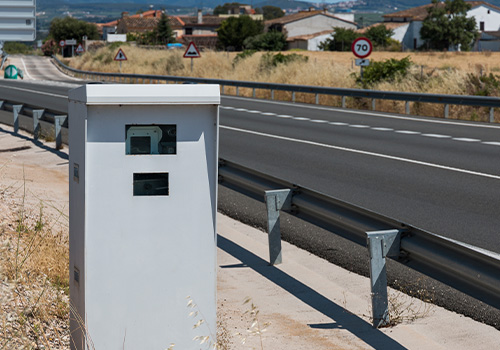
Speeding is one of the most common driving offences among foreign drivers, often due to unfamiliarity with Portuguese speed limits on urban roads, national roads and motorways. Fines can start at €60 and may reach €2,500 in more serious cases.
Using or handling a mobile phone while driving without an approved hands-free system is also heavily penalised, with fines ranging from €250 to €1,250. Failing to wear a seatbelt, whether as a driver or passenger, can lead to fines between €120 and €600.
Irregular parking is another frequent issue, especially in busy tourist areas and city centres. In some situations, vehicles may also be towed. Foreign drivers may also be fined for failing to carry mandatory documents, such as a valid driving licence, insurance certificate and vehicle registration documents.
What happens if a foreign driver receives a traffic fine in Portugal?
If the vehicle is registered in another European Union country, Portuguese authorities can use European cooperation mechanisms to identify the vehicle owner and send the fine to the registered address abroad.
For rental cars, the rental company may provide the driver’s details to the authorities, allowing the fine to be assigned to the person responsible for the offence.
In some cases, particularly during roadside inspections, police may request immediate payment or a deposit to guarantee payment of the fine.

How do payment deadlines and appeals for driving fines in Portugal work?
In most cases, drivers have 15 working days from notification to make voluntary payment or submit a defence. Voluntary payment can simplify the process and may help avoid further administrative steps.
If the driver believes the fine is unfair, they may submit a defence to the Portuguese road safety authorities. The defence should include the driver’s identification details, the offence reference number and any relevant evidence or supporting documents.
Portuguese driving rules that surprise many foreigners
Some Portuguese road rules differ from those in other countries and can surprise foreign drivers, especially in cities, roundabouts and emergency situations.
In urban areas, the standard speed limit is usually 50 km/h unless road signs indicate otherwise. Drivers must also keep a reflective safety vest in the vehicle and wear it if they leave the car after a breakdown or emergency stop.
Roundabouts are another common source of confusion. In Portugal, vehicles already circulating inside the roundabout generally have priority. Drivers should choose the correct lane in advance and signal clearly before exiting.
How to avoid driving fines related to the vehicle’s condition
Not all driving fines in Portugal are caused by driver behaviour. Many penalties are linked to vehicle-related issues, such as expired inspections, worn tyres, faulty lights or missing documentation.
Choosing a recent and properly maintained vehicle significantly reduces these risks. With a car subscription from Xtracars, drivers benefit from modern vehicles with maintenance, inspections and documentation handled for them, helping ensure full legal compliance and greater peace of mind while driving in Portugal.